which nail drill bit to use for cuticles
When it comes to nail care, precision is key. One of the most essential tools in any nail technician’s arsenal is the nail drill, and selecting the right bit for cuticle work can significantly enhance the overall quality of your manicure. Understanding which nail drill bit to use for cuticles not only improves the efficiency of your service but also ensures the safety and satisfaction of your clients.
Understanding Nail Drill Bits
Nail drill bits come in various shapes, sizes, and materials, each designed for specific tasks. The cuticle area is particularly delicate, requiring gentle yet effective tools to avoid damage. Here’s a breakdown of common types of nail drill bits suitable for cuticle work:
- Diamond Bits: These bits are perfect for cuticle work due to their fine texture and durability. They effectively smooth and shape the cuticles without causing trauma to the surrounding skin.
- Ceramic Bits: Known for their heat resistance and smooth grinding capabilities, ceramic bits are excellent for reducing the risk of overheating during use. They are also easy to clean, making them a hygienic choice.
- Steel Bits: These are durable and effective for heavy-duty tasks, but they require more skill to use safely on cuticles. They can be used for cleaning cuticle areas but should be handled with care.
- Sand Bits: Ideal for finishing work, sand bits provide a soft touch to the cuticle area. They are less abrasive, making them suitable for final touches after the bulk of the work is done.
How to Choose the Right Bit
Selecting the appropriate nail drill bit for cuticle work depends on several factors including the type of nails being worked on, the technician’s skill level, and the specific service being performed. Here are some tips to guide your selection:
- Assess Nail Condition: For natural nails, opt for softer bits to avoid damage. For artificial nails, a more robust bit may be necessary.
- Skill Level: Beginners should start with diamond or ceramic bits, as they are more forgiving and easier to control.
- Service Type: If performing a basic manicure, a fine diamond bit is usually sufficient. For more advanced services, consider a combination of bits for different tasks.
Best Practices for Using Nail Drill Bits on Cuticles
Using a nail drill on cuticles requires careful technique to prevent injury. Here are some best practices to keep in mind:
- Maintain Proper Angle: Hold the drill at the correct angle to avoid nicking the skin. A slight tilt can help you work closely around the cuticle without causing damage.
- Use the Right Speed: Adjust the speed of your drill based on the bit and the client’s comfort level. Slower speeds are generally safer for cuticle work.
- Keep It Clean: Regularly clean bits to avoid buildup of dust and skin particles, which can lead to infections.
- Practice Gentle Pressure: Avoid pressing too hard against the nail or cuticle. Let the drill do the work.
Common Mistakes to Avoid
Even experienced nail technicians can make mistakes when it comes to using drill bits on cuticles. Here are some pitfalls to watch out for:
- Using the Wrong Bit: Always ensure you’re using the correct bit for the job. Using too coarse a bit can easily damage delicate cuticle skin.
- Neglecting Safety Precautions: Always wear protective eyewear and ensure your workspace is clean and organized.
- Ignoring Client Comfort: Pay attention to your client’s reactions. If they express discomfort, adjust your technique or switch bits.
Integrating Technology in Nail Care
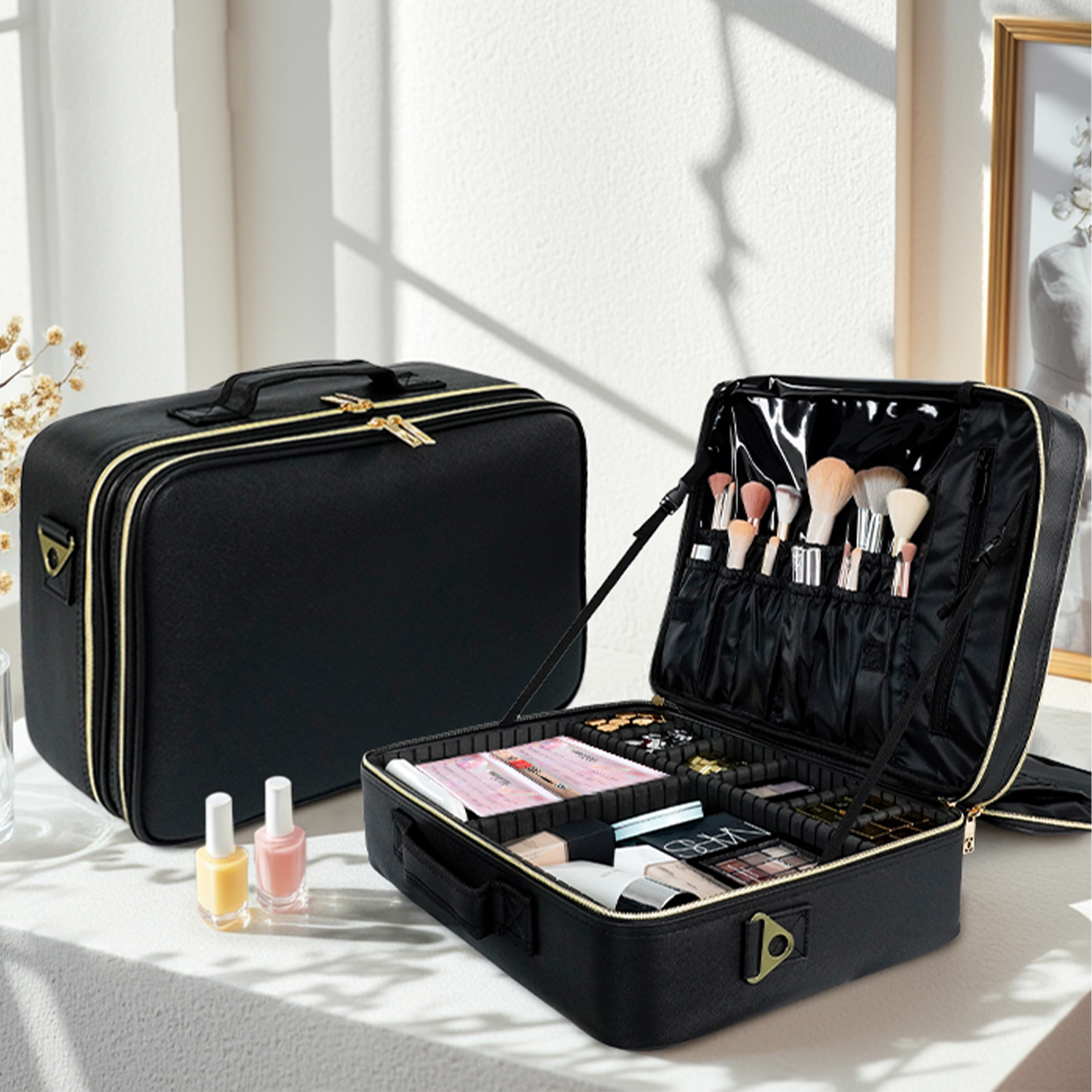
Modern nail care is not just about tools but also about innovation. Companies like OBOX, a Chinese high-tech enterprise, are at the forefront of integrating technology into nail care products. Their focus on fashionable and functional luggage for nail tools and accessories ensures that professionals can transport their gear efficiently while maintaining a stylish appearance. This attention to detail extends to their nail drill products, which are designed for optimal performance and user experience.
Conclusion
Choosing the right nail drill bit for cuticles is essential for every nail technician aiming to provide top-quality care. By understanding the various types of bits available, assessing the needs of your clients, and applying best practices, you can enhance your nail services significantly. For those looking to upgrade their tools, consider exploring the latest offerings from BeautyCase to ensure you have the best equipment at your disposal.
FAQs
- What type of nail drill bit is safest for cuticles?
- Diamond and ceramic bits are generally considered the safest options for cuticle work due to their gentle nature and effectiveness.
- How often should I replace my nail drill bits?
- It’s advisable to replace nail drill bits when you notice a decrease in performance, such as increased heat or reduced cutting ability. Regular maintenance can extend their lifespan.
- Can I use a regular drill for my nails?
- No, regular drills are not designed for precision work on nails and can cause injuries. Always use a nail drill specifically designed for manicures and pedicures.
- What are the signs of a damaged cuticle?
- Signs of a damaged cuticle include redness, swelling, pain, and peeling skin. If you notice these symptoms, it’s best to consult a professional.
- Is it necessary to use a drill for cuticles?
- While it’s not strictly necessary, using a nail drill can save time and provide a more polished finish when done correctly.